
 By
By 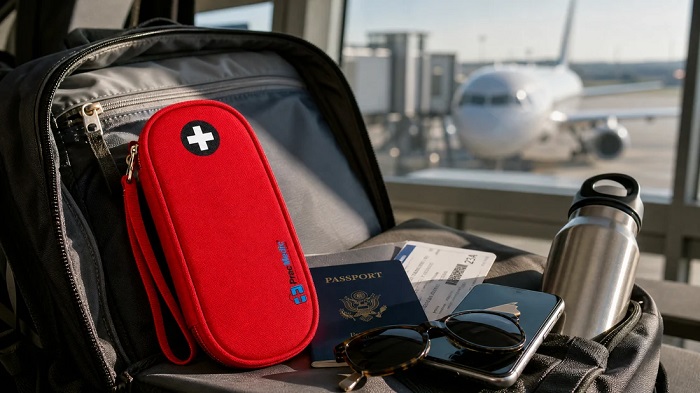
Standing in an airport security line can test anyone’s patience, but traveling with essential medical supplies brings an entirely different level of stress. For millions of passengers managing chronic conditions, allergies, nutritional dependencies, or acute illnesses, medication is not an optional comfort item. It is a daily necessity. The standard Transportation Security Administration rule limiting liquids, gels, and aerosols to 3.4-ounce containers packed into a single quart-sized bag is common knowledge among air travelers. What far fewer people realize is that this restriction does not apply across the board.
The TSA maintains clear exemptions for medically necessary liquids, allowing them in quantities that exceed standard carry-on limits. However, taking advantage of these exemptions requires an understanding of how security officers assess health-related items, what triggers additional inspections, and how to pack effectively. Navigating security with medical liquids is straightforward once you know the exact checkpoint protocols and your rights as a passenger.
Understanding the Medically Necessary Exemption
The baseline security rule for carry-on baggage is the 3-1-1 guideline: 3.4 ounces or 100 milliliters per container, enclosed within one clear, quart-sized, zip-top plastic bag, with one bag permitted per passenger. Medically necessary liquids, gels, and aerosols are fully exempt from the 3.4-ounce limit and do not need to fit inside that single quart-sized bag.
Under federal screening guidelines, travelers may carry larger volumes of medical liquids through the security checkpoint, provided the quantities are reasonable for the itinerary. This allowance accounts for the duration of your flights, layovers, and potential travel delays. You are never required to risk stowing life-sustaining medications in checked baggage, where extreme cargo hold temperatures, rough handling, or lost luggage could compromise your health.
Security personnel do not expect you to squeeze essential prescriptions into tiny travel bottles. In fact, transferring medication into unmarked travel tubes is one of the most common mistakes travelers make, as it complicates the verification process and slows down the security line.
What Qualifies Under the Medical Exemption?
Medically necessary liquids encompass a broader range of items than many passengers assume. The category extends well beyond standard prescription syrup.
-
Prescription medications: Oral liquids, liquid antibiotics, medicated ear drops, ophthalmic solutions, topical prescription creams, and injectable medications such as insulin, epinephrine, and biologic therapies.
-
Over-the-counter treatments: Liquid pain relievers, cough and cold medications, eye washes, and saline nasal sprays needed during transit. Contact lens solution is explicitly classified as an over-the-counter medical liquid and can be brought in bottles larger than 3.4 ounces.
-
Specialized nutrition: Liquid nutritional formulas, electrolyte replacement drinks, medically required juices or glucose gels for diabetics, and pureed meals for individuals with swallowing disorders or feeding tubes.
-
Cooling accessories: Ice packs, gel packs, freezer pouches, and dry ice used specifically to maintain the temperature of temperature-sensitive medications.
-
Life-support fluids and associated supplies: Saline flushes, IV bags, sterile water for medical irrigation, and specialized cleaning rinses for medical devices.
How to Pack Medical Liquids Before Heading to the Airport
Smooth screening starts during the packing process at home. The goal is to make your medical supplies instantly recognizable, accessible, and ready for independent screening without forcing officers to rummage through your entire carry-on bag.
First, keep all medications in their original packaging whenever possible. While federal regulations do not legally mandate that prescription liquids be stored in their original labeled pharmacy bottles for domestic travel, doing so eliminates unnecessary confusion. A factory-printed label displaying your full legal name, the medication name, dosage instructions, and the prescribing physician provides immediate clarity for any screening officer.
Second, pack all medical liquids and related accessories together in a dedicated, transparent pouch. Keep this pouch in an exterior pocket of your carry-on or at the very top of your personal item. You will need to remove it before sending your luggage through the scanner, so burying it beneath clothing or electronics creates needless delay.
Third, pay close attention to cooling accessories. If you use ice packs or reusable gel packs to chill medications like insulin or biologics, ensure they are frozen completely solid when you reach the security lane. TSA regulations state that freezer packs that are partially melted, slushy, or contain visible liquid at the bottom of the container are subject to the same liquid testing protocols as the medication itself. Keeping them frozen solid in an insulated cooler bag minimizes the time officers need to spend swabbing and testing the chill packs.
The Checkpoint Process Step-by-Step
Navigating the security checkpoint with exempt liquids is largely a matter of clear communication. Do not wait for a Transportation Security Officer to discover oversized liquid bottles on the X-ray monitor. Unannounced liquids inside a bag will trigger an automated bag search, requiring an officer to pull your luggage aside and manually inspect every pocket.
Approach the officer at the entrance of the conveyor belt and verbally declare your medical liquids before any bags enter the machine. A simple, direct statement works best: “I am traveling with medically necessary liquids that exceed 3.4 ounces, and I have separated them for screening.”
Remove your designated medical pouch from your carry-on luggage and place it in a screening bin on its own, distinct from your standard toiletry bag and personal electronics. If you prefer not to state your medical situation aloud in a crowded line, you may hand the officer a printed TSA Notification Card or a simple written note explaining your condition and supplies.
Once declared, your medical items will proceed through standard imaging and will likely undergo secondary screening. Officers use specialized, non-invasive technology to inspect medical liquids:
-
Bottle Liquid Scanners: Many checkpoints utilize tabletop diagnostic units that evaluate liquid containers using light or radio-frequency sensors. In most cases, these scanners evaluate the contents directly through the exterior walls of the bottle without opening the seal.
-
Vapor analysis: If a container cannot be scanned through its packaging, the officer may ask permission to break the seal and hold a testing strip above the open mouth of the container to sample vapors. Officers are instructed not to touch or contaminate the liquid itself.
-
Explosive Trace Detection (ETD): The officer may swab the exterior of the medication bottle, your cooler pack, or your hands, running the swab through an automated analyzer to test for trace compounds.
If you have delicate biologics, sterile compounds, or specialized medications that cannot be subjected to X-rays or opened without contamination, you have the right to request an alternative visual and physical inspection. You must make this request before the items enter the X-ray machine. The officer will then conduct manual screening, which typically involves a visual check, exterior swabbing, and potentially a physical pat-down of your person.
Handling Unexpected Challenges at the Checkpoint
Even with meticulous preparation, you may occasionally encounter an officer who appears unfamiliar with a specific medical device, cooling method, or exemption. Remaining calm, polite, and firm is the most effective approach.
Do not argue or raise your voice. Instead, clearly restate that your items are medically necessary and permitted under current federal travel guidelines. If the officer insists that an oversized bottle of contact solution or liquid formula must be discarded, immediately and respectfully request to speak with a Supervisory Transportation Security Officer (STSO) or a Passenger Support Specialist (PSS). Supervisors receive specialized instruction on medical exemptions and traveler accommodations and can resolve misunderstandings promptly.
For travelers managing complex conditions, rare medical requirements, or significant amounts of specialized equipment, the TSA offers a dedicated support service known as TSA Cares. Contacting the TSA Cares helpline at least 72 hours prior to your scheduled flight allows you to discuss your screening needs in advance. In many airports, the agency can arrange for a designated Passenger Support Specialist to meet you before you enter the security line and guide you through the screening process.
Planning ahead, packing logically, and communicating transparently transforms what could be an intimidating security hurdle into a routine part of your travel day. Your health should never be compromised for the sake of a flight, and understanding federal screening rules ensures you arrive at your destination with all necessary treatments intact and ready for use.














Comments