
 By
By 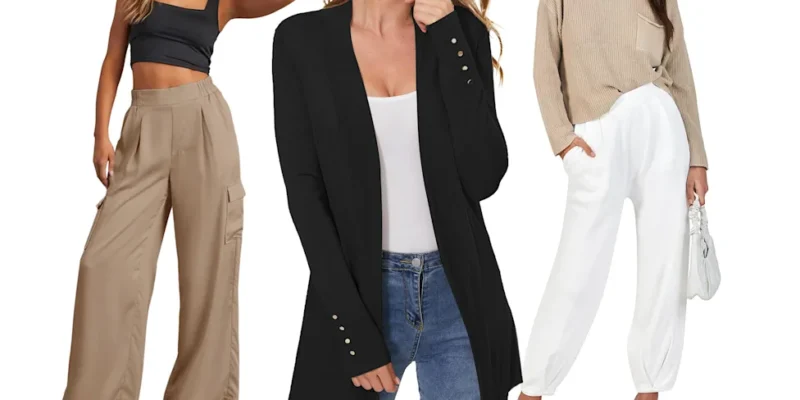
Stepping back into a traditional workplace after an extended period of remote or hybrid work carries a distinct physical sensation: the sudden constriction of an unforgiving waistband, the scratch of a stiffly starched collar, and the heavy thud of hard-soled shoes against linoleum. For professionals accustomed to the forgiving drape of cotton fleece, modal loungewear, and slip-on house shoes, pulling pre-pandemic trousers out of the closet can feel like stepping into a suit of armor. The impulse to resist this transition is completely natural. The human nervous system adapts quickly to physical ease, and trading unrestricted mobility for rigid corporate uniforms feels like a sharp step backward.
Yet returning to an office environment does not mean submitting to sartorial misery. The modern workplace has undergone a quiet revolution of its own. Rigid three-piece suits and unyielding pencil skirts have largely yielded to a more sensible, relaxed ethos. Bridging the gap between the living room sofa and the corporate conference room is not about suffering through stiff fabrics; it is about mastering the art of disguised comfort. By selecting intentional silhouettes, embracing technical textiles, and curating an adaptable capsule rotation, you can look completely put together while feeling nearly as comfortable as you did at your home desk.
The Foundations of Soft Tailoring
The traditional approach to tailoring relied on heavy canvassing, structured shoulder pads, and rigid linings designed to force the body into an artificial silhouette. Soft tailoring flips that equation entirely, utilizing the fluid geometry of casual wear while preserving the clean visual lines of professional dress.
Unstructured Jackets and Knit Blazers
If your office dress code calls for a jacket, bypass the heavily padded, dry-clean-only wool coats that restrict arm movement. Replace them with unstructured blazers crafted from double-knit jersey, ponte de roma, or lightweight boiled wool. An unstructured jacket lacks interior shoulder pads and stiff chest canvases, allowing the garment to drape naturally over your frame like a substantial cardigan. From across a conference table, the lapels, notched collar, and tailored cut project executive polish, but the fabric stretches and breathes when you reach across your desk or commute on the train.
Elevated Pull-On Trousers
Few garments provoke as much anxiety during the return-to-office transition as rigid dress pants. The solution lies in modern trouser architecture: pants with a clean, flat front and a discreet elasticized waistband across the back or hidden entirely within the interior facing.
Brands across both menswear and womenswear now produce tailored trousers in substantial stretch-crepe, tech-twill, and refined double-knits. When cut with a sharp taper or an elegant wide leg and detailed with pressed front pleats or stitched permanent creases, these trousers are visually indistinguishable from traditional wool slacks. They offer the exact same freedom of movement as your favorite joggers, completely eliminating the mid-afternoon waist pinch.
Prioritizing Performance Fabrics and Breathable Knits
Comfort in clothing is fundamentally a question of textile engineering. For decades, formal office wear relied on stiff woven cottons, scratchy wool blends, and suffocating synthetic polyesters. Today, performance clothing has moved far beyond athletic gyms, quietly infiltrating the corporate wardrobe under the guise of luxury workwear.
When auditing prospective work pieces, examine the garment tags carefully. Look for woven fabrics that incorporate three to five percent elastane or spandex. That small percentage provides multi-directional stretch, ensuring shirts and trousers move with your joints rather than pulling against them during long meetings.
High-twist merino wool is another miracle fiber for the office returnee. Naturally temperature-regulating, moisture-wicking, and wrinkle-resistant, fine-gauge merino sweaters layer cleanly over collars or function beautifully on their own. Similarly, technical dress shirts constructed from nylon-spandex blends or mercerized cotton knits mimic the breathability of athletic tees while retaining a crisp, structured collar that stands tall under an outer layer.
Solving the In-Office Footwear Dilemma
Perhaps no single element of office attire causes more genuine physical distress after remote work than shoes. Walking barefoot or in supportive shearling slippers for years changes foot biomechanics, causing the foot to spread and lowering tolerance for narrow toe boxes and stiff leather outsoles.
Plunging straight back into pointed-toe stilettos or unyielding leather oxfords is a direct path to blisters and foot fatigue. Instead, look for smart compromises that satisfy office expectations without punishing your feet.
In many contemporary business-casual workplaces, clean minimalist leather sneakers are now widely accepted. Look for low-profile leather or suede pairs in monochrome white, black, or deep navy, devoid of athletic branding, mesh panels, or neon accents. When paired with ankle-length tailored trousers and a relaxed jacket, a pristine minimalist sneaker looks modern and intentional rather than sloppy.
If your workplace adheres to a more conservative dress code, seek out hybrid dress shoes. Many heritage shoemakers now build traditional penny loafers, derbies, and Chelsea boots with athletic shoe interiors. These designs feature shock-absorbing EVA foam footbeds, flexible rubber outsoles, and widened toe boxes that distribute body weight evenly during long commutes. For those who wear heels, swap spindly stilettos for substantial block heels or architectural wedges under two inches, which offer height without forcing the foot into an unnatural arch.
Eliminating Morning Friction with a Capsule Rotation
One of the quietest psychological benefits of working from home was the elimination of wardrobe decision fatigue. Rolling out of bed and slipping into familiar loungewear took less than sixty seconds. Reintroducing a morning routine fraught with indecision about matching patterns and coordinating layers quickly breeds morning resentment.
Streamline the physical act of getting dressed by adopting a tight, cohesive capsule wardrobe based on neutral tones. Anchor your closet in navy, charcoal, black, cream, olive, and camel. When your core pieces share an intentional color palette, every bottom automatically pairs with every top, eliminating the need to deliberate over combinations.
Rely on the third-piece rule to create instant polish with zero effort. The formula is simple: combine a comfortable base layer (such as an ultra-soft modal crewneck or silk-blend tee) with a tailored bottom, and finish the outfit with an intentional third element—a chore coat, a relaxed knit blazer, a long cardigan, or a statement leather belt. The third piece visually ties the outfit together, signaling intention and authority while allowing the layers closest to your skin to remain soft and non-restrictive.
The journey from loungewear back to workplace attire does not require abandoning the comfort you have grown accustomed to. It simply requires higher intentionality in what you purchase and how you assemble your daily outfits. By investing in garments that disguise technical stretch inside structured silhouettes, opting for supportive footwear, and leaning into the ease of soft tailoring, you can command the room with executive presence while experiencing all the physical freedom of your favorite weekend staples.













Comments