
 By
By 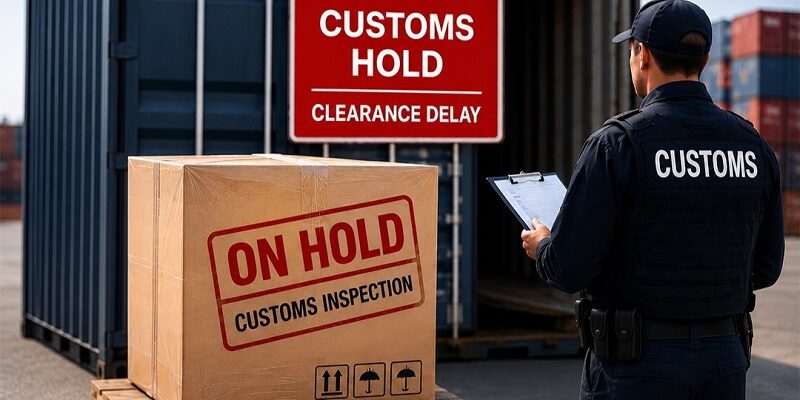
For cross-border retailers, importers, and supply chain operators, the final quarter of the year is both the most lucrative window and the most vulnerable. As consumer demand surges between October and December, cargo volumes flood major freight corridors. Yet, the most disruptive supply chain bottlenecks rarely happen on the open ocean or inside distribution centers. Instead, they occur at the port of entry, where shipments encounter the watchful scrutiny of customs authorities.
A customs delay during the peak holiday shipping window carries steep consequences. Missing a promotional sale date or a holiday delivery deadline leads to canceled orders, lost customer goodwill, and punitive retailer chargebacks. Worse still, cargo held at a terminal quickly incurs crippling demurrage and detention fees. Navigating this high-stakes period requires an understanding of why clearance slows down, how regulatory scrutiny intensifies under pressure, and what concrete measures businesses can take to keep freight moving.
Why Customs Clearance Stalls During Peak Season
Customs agencies do not ease compliance standards to accommodate holiday volume surges. If anything, import authorities heighten their monitoring when international freight volumes peak, knowing that bad actors often attempt to slip non-compliant or counterfeit goods through strained ports.
Several structural pressures converge to create clearance gridlock:
-
Inspection backlogs: When an import entry is flagged for physical examination, the container must be transferred from the marine terminal or air cargo ramp to a Centralized Examination Station. During the holidays, these inspection yards operate beyond maximum capacity, turning what should be a two-day physical check into a multi-week standstill.
-
Secondary agency bottlenecks: In the United States, clearance involves far more than U.S. Customs and Border Protection. Shipments often require green lights from Partner Government Agencies, including the Food and Drug Administration, the Consumer Product Safety Commission, and the Environmental Protection Agency. A holiday product line containing lithium batteries, cosmetics, or children’s toys requires specialized documentation that must be verified by individual agency desks, each dealing with seasonal backlogs.
-
Administrative staffing imbalances: Customs personnel and bonded warehouse teams face the same holiday scheduling constraints and seasonal illnesses as the private sector. When cargo volume doubles while port terminal staffing drops due to holiday closures, the math simply does not work in favor of rapid processing.
Eliminating the Documentation Pitfalls That Invite Holds
The vast majority of customs examinations are not completely random. They are triggered by automated risk-assessment algorithms that flag inconsistencies, missing data points, or vague product descriptions on entry paperwork. Preparing audit-proof documentation months in advance remains the single most effective defense against clearance friction.
Harmonized Tariff Schedule Precision
Misclassifying goods is one of the quickest ways to trigger an intensive document review. Importers often rely on outdated Harmonized Tariff Schedule codes provided by overseas suppliers who are unfamiliar with domestic regulatory nuances. Ensure that every item in your product catalog has been audited and assigned its exact 10-digit tariff code by a licensed customs broker. Even slight variations in material composition, such as the exact synthetic blend of an apparel item or the voltage specifications of an electronic gadget, can shift a product into an entirely different tariff classification carrying distinct duty rates and compliance requirements.
Standardized Commercial Invoices
Customs officers review thousands of digital manifests every shift. A commercial invoice that uses internal stock-keeping unit codes, generic terms like “holiday gift set,” or unclear component breakdowns creates immediate suspicion. Commercial invoices must specify the precise common name of the item, the country of origin, the unit value, the currency, and the specific materials from which the product is made. If your shipment includes packaging components or promotional inserts, itemize them clearly to eliminate any discrepancy between the physical packing list and the declared invoice.
Punctual Importer Security Filing Compliance
For ocean cargo bound for the United States, the Importer Security Filing, commonly known as ISF or “10+2,” must be transmitted to customs at least 24 hours before the vessel is loaded at the foreign departure port. Submitting this filing late or updating core elements after departure automatically flags the container for an intensive document hold upon arrival, guaranteeing a delay before the vessel even docks.
Logistics Strategies to Sidestep Port Congestion
Proactive logistics architecture can route your shipments around predictable holiday chokepoints before congestion ever takes hold.
One effective tactic is diversifying ports of entry. The primary coastal gateways—such as the Ports of Los Angeles and Long Beach on the West Coast, or John F. Kennedy International Airport for air freight—consistently experience the most severe peak-season processing queues. By working with freight forwarders to route cargo through secondary ports or moving freight inland under an in-bond transit status, you can clear customs at an interior port closer to your final fulfillment node. Clearing cargo in places like Kansas City or Columbus often takes a fraction of the time required at coastal terminals.
For direct-to-consumer e-commerce brands shipping individual parcels across borders, adopting Delivered Duty Paid (DDP) shipping terms is mandatory. Under DDP terms, all applicable duties, taxes, and import fees are calculated and collected at checkout. When packages arrive under Delivered at Place terms, local customs brokers must hold the parcel, issue payment notices to the individual consumer, and wait for receipt of payment before releasing the item. During the holidays, this extra handoff guarantees missed delivery promises and a flood of customer support inquiries.
Establishing a direct line of communication with a dedicated, licensed customs broker is just as critical. Many businesses leave clearance to generalist freight aggregators who treat customs as an automated afterthought. A dedicated broker reviews entry documents before cargo departs the factory, resolves discrepancy warnings immediately, and has direct relationships with local port directors to address holds the moment they appear.
Acting Quickly When a Customs Hold Occurs
Even seasoned supply chain teams occasionally face a customs delay. How you respond within the first 24 hours of a notification determines whether the situation becomes a minor hiccup or a financial disaster.
First, determine the exact nature of the hold. A manifest hold or broker hold is typically administrative, caused by missing information that your broker can correct digitally within hours. An in-bond hold or a commercial enforcement hold, however, indicates an examination by customs officers or a partner government agency.
If your container is routed to a Centralized Examination Station for an intensive physical inspection, reach out to your ocean carrier or drayage partner immediately to track container movement. Request that your freight partner file for additional free-time allowances with the steamship line. Most carriers provide a short window of free time before charging daily demurrage fees for equipment resting at the terminal. Because examination delays can drag on for weeks through no fault of the importer, securing an early demurrage extension can save your business thousands of dollars in unrecoverable expenses.
Customs delays during peak retail periods are rarely accidental; they are the natural consequence of soaring freight volumes running into strict regulatory oversight. Protecting your bottom line requires moving clearance planning out of the reactive autumn crunch and embedding it into your early summer sourcing strategy. By conducting tariff audits well before production wraps, locking in transparent commercial paperwork, and utilizing smarter entry routing, you ensure your inventory reaches store shelves and customer doorsteps while the holiday shopping window is wide open.
















Comments