
 By
By 
Exploring new destinations, whether within your home country or across global borders, is one of the most enriching experiences life can offer. Travel broadens perspectives, introduces diverse cultures, and provides a necessary break from the monotony of daily routines. However, stepping outside of familiar environments inherently introduces a layer of unpredictability and risk. Navigating unfamiliar transit systems, managing unfamiliar currencies, and adjusting to local laws can expose travelers to security vulnerabilities if they are unprepared.
True travel safety is not about operating from a place of fear or paranoia. Instead, it relies on situational awareness, proactive preparation, and the implementation of practical security habits. By taking deliberate steps to secure your personal data, physical belongings, and physical well-being before and during your journey, you can minimize potential disruptions and focus entirely on your travel experiences.
Pre-Departure Document Security and Digital Backups
The foundation of a safe trip is established well before you arrive at the airport or pull onto the highway. The loss or theft of primary identification documents can instantly halt a trip, leaving you stranded in an unfamiliar location.
Creating Redundant Hard and Digital Copies
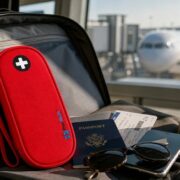
Never rely solely on physical documents or a single digital device to store your vital information. Before leaving home, make two physical photocopies of your driver license, passport photo page, visa stamps, medical insurance cards, and travel itineraries. Leave one set of copies with a trusted family member or friend who is not traveling with you. Place the second physical set in a secure, separate compartment of your luggage away from the original documents.
Simultaneously, upload secure, encrypted digital copies of these documents to a secure cloud storage account that you can access from any internet-connected device. Having immediate access to your passport number, expiration date, and visa details makes the replacement process substantially faster if your physical wallet or bag is stolen.
Financial Account Notifications
Unannounced overseas or out-of-state transactions can trigger a bank automated fraud detection system, resulting in an immediate freeze on your credit and debit cards. Log into your financial portals or call your banking institutions a few days before departure to submit a formal travel notice. Specify the exact dates and destinations of your trip, including any layover cities where you might make a purchase. Additionally, carry at least two different types of credit cards issued by separate banks, keeping one card locked in your hotel room safe as an emergency backup.
Mitigating Physical Security Risks and Pickpocketing
Street criminals and opportunistic thieves target travelers because they are frequently distracted by landmarks, signs, or smartphones, making them easy targets.
The Psychology of Public Composure
Pickpockets look for specific behavioral cues to identify vulnerable targets. Individuals who appear lost, flustered, or completely absorbed in their smartphones are targeted first. When navigating public spaces, walk with a clear sense of purpose and maintain an upright posture. If you need to check a map or consult your itinerary, step inside a businesses, hotel lobby, or cafe rather than stopping in the middle of a crowded sidewalk.
Securing Personal Effects in High-Traffic Zones
Traditional back pockets and unzipped outer backpack compartments are highly accessible to professional pickpockets, especially in crowded environments like subway cars, markets, and tourist plazas.
-
Store your high-value items, including cash, passports, and smartphones, in your front pockets or in a dedicated money belt worn beneath your clothing.
-
Choose a cross-body bag featuring slash-resistant straps and locking zippers, keeping the bag positioned toward the front of your torso rather than resting on your hip or back.
-
Never hang your purse or backpack over the back of a chair in a restaurant or bar. Instead, place the bag on your lap or loop the strap securely around your leg or chair base.
Protecting Digital Integrity and Cyber Security
Physical security is only half the battle; modern travelers must also defend their personal data from cyber criminals who exploit the digital vulnerabilities of mobile tech users.
The Dangers of Public Wi-Fi Networks
Unsecured public wireless networks found in airports, coffee shops, and hotels are hotbeds for man-in-the-middle cyber attacks. Hackers can intercept the data flowing to and from your device, capturing sensitive information like bank passwords, email credentials, and credit card numbers.
Avoid logging into financial accounts or entering personal data while connected to public networks. Instead, utilize a reputable Virtual Private Network to encrypt your internet traffic, or rely entirely on your cellular data roaming plan, which is inherently far more secure than an unencrypted public hotspot.
Disabling Automatic Connectivity Features
Before departing, alter the settings on your smartphone, tablet, and laptop to disable automatic connection to open Wi-Fi networks and Bluetooth devices. Cyber criminals often set up malicious hotspots with generic names like Airport_Free_Wifi to trick devices into connecting automatically. Manually selecting your connections ensures you maintain full control over your digital footprint.
Navigating Safe Transportation and Lodging
Transit hubs and accommodation check-in desks represent points of vulnerability where travelers are often bogged down by heavy luggage and logistics fatigue.
Vetting Transportation Options
Arriving at a airport or train station often means facing aggressive, unlicensed taxi drivers offering cheap, unmetered rides. These unregulated vehicles lack corporate accountability, safety inspections, and clear pricing guidelines, making passengers vulnerable to price gouging or outright theft.
Always utilize official taxi ranks managed by airport authorities, or use verified ride-sharing applications that track your vehicle route via Global Positioning System and document the driver identity. If you must use a traditional taxi, explicitly confirm that the meter is functional and running before the vehicle moves, or negotiate a firm, fixed price before putting your luggage in the trunk.
Securing Your Lodging Environment
Your security obligations do not end once you step inside your hotel room or vacation rental. Upon entering, verify that all window locks and door latches operate correctly. When staying inside the room, engage the physical deadbolt and the secondary swing lock to prevent entry from anyone possessing a master key card. Additionally, never leave high-value electronics, cash, or jewelry sitting out in plain sight. Utilize the in-room electronic safe, setting a unique passcode that does not match your phone pin or birthday.
Frequently Asked Questions
What should I do if my passport is lost or stolen while traveling in a foreign country?
If your passport disappears overseas, immediately file a formal police report with local law enforcement to document the theft. Next, locate the nearest embassy or consulate of your home country. You must visit the embassy in person, presenting your police report, copies of your lost passport, and alternative identification to obtain an emergency passport. This document is usually issued within twenty-four to forty-eight hours and allows you to continue your travel or return home safely.
How can I evaluate the safety of tap water when arriving in a new destination?
Never assume municipal tap water safety standards match those of your home city. Before arrival, research local water guidelines via international health organization databases or consult your lodging host. In areas where water infrastructure is compromised, use bottled water for everything, including brushing your teeth. Avoid ordering drinks containing ice cubes, and ensure raw fruits and vegetables are washed with purified water rather than tap water.
Is it safer to use cash or credit cards when paying for items abroad?
Credit cards are generally far safer than cash due to robust consumer protection regulations. If a credit card is stolen or copied by a skimming device, you can instantly freeze the account via your mobile app, and you are not held liable for unauthorized charges. Cash, once lost or stolen, is completely unrecoverable. Carry a small amount of local currency for minor vendors who reject card payments, but utilize a credit card with no foreign transaction fees for your primary expenditures.
What is the Smart Traveler Enrollment Program and how does it help?
The Smart Traveler Enrollment Program is a free service provided by the United States government for citizens traveling abroad. By logging your trip details in the system, you allow the nearest embassy or consulate to contact you during unexpected crises, such as natural disasters, political unrest, or family emergencies. The system also helps your family reach you if communication infrastructure fails during your journey.
How should I handle a medical emergency if I am injured far from home?
Prior to departure, verify whether your standard health insurance policy offers domestic out-of-network coverage or global emergency care. If it does not, purchase a dedicated travel medical insurance policy for the duration of your trip. These policies cover emergency medical evacuations, hospital stays, and physician fees, ensuring you receive quality care without facing devastating out-of-pocket financial bills.
Why is it risky to post real-time updates of your travel itinerary on social media platforms?
Publishing your exact location, hotel room views, or daily itineraries in real time signals to the digital world that your home is currently vacant, making it a target for local burglars. It also allows bad actors in your travel destination to track your daily movements and habits. Wait until you have returned home or moved to a different city before sharing your photos and travel stories publicly.
How do local laws and cultural norms impact personal safety during international travel?
Local laws apply to visitors without exception, and actions that are legal at home could carry severe fines or imprisonment elsewhere. For example, certain over-the-counter medications or specific drone photography equipment are strictly banned in various nations. Researching local regulations and cultural modesty standards regarding dress ensures you do not inadvertently offend local communities or attract unwanted attention from regional authorities.












Comments