
 By
By 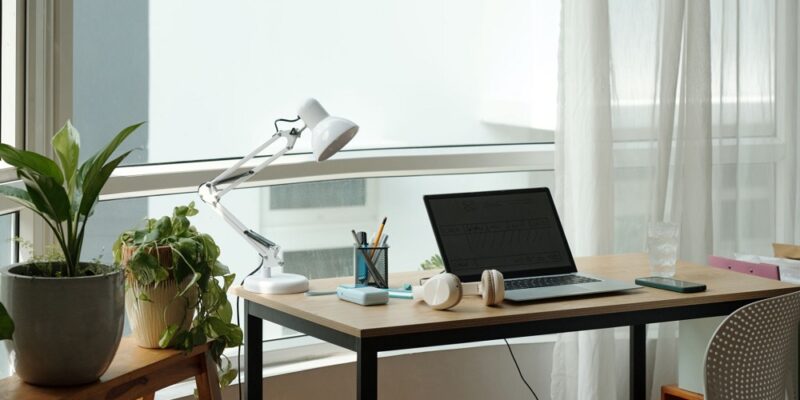
The space where a student works deeply shapes how well they absorb information, maintain focus, and retain complex ideas. While researchers often emphasize study strategies like spaced repetition and active recall, the physical surroundings are just as critical. A poorly designed environment forces the brain to spend mental energy filtering out distractions, leaving fewer cognitive resources for academic tasks.
Conversely, an intentional learning environment acts as an external framework that reduces cognitive load, encourages long periods of deep work, and turns studying into a natural routine. Whether engineering a home study space, arranging a traditional classroom, or selecting a spot in a university library, optimizing key environmental factors dramatically changes learning outcomes.
Optimizing the Physical Framework
The baseline of an effective workspace consists of elements that directly impact human biology and comfort. When a student is uncomfortable or struggling to see clearly, productivity plummets.
Lighting Conditions and Eyestrain
Lighting plays a powerful role in regulating focus and circadian rhythm. Natural daylight is the best option for academic productivity. Studies show that exposure to natural light increases alertness, improves mood, and lowers stress scores. Whenever possible, position study desks near windows. If you must use artificial light, avoid dim yellow incandescent bulbs, which induce drowsiness. Opt instead for cool white Light Emitting Diode or fluorescent bulbs that mimic daylight. Additionally, a dedicated task lamp that shines directly onto reading materials reduces shadows and protects against eyestrain during late-night sessions.
Ergonomics and Skeletal Health
Studying for hours in an unsupportive chair triggers physical fatigue, neck tension, and lower back pain, drawing attention away from learning materials. Invest in an adjustable ergonomic office chair that allows feet to rest flat on the floor with knees bent at a ninety degree angle. The desk height should let forearms rest comfortably on the surface while typing or writing without causing the shoulders to hunch. Computer monitors ought to sit at eye level, roughly an arm’s length away, preventing the chronic neck strain caused by looking downward for extended periods.
Temperature and Air Quality
Air quality and room temperature have a subtle but massive influence on executive functioning. A stuffy, overheated room quickly makes students sluggish and prone to errors. Research indicates the ideal room temperature for mental performance sits between sixty-eight and seventy-two degrees Fahrenheit. Furthermore, closed rooms accumulate carbon dioxide over time, lowering concentration levels. Opening a window or running a basic air purifier introduces fresh oxygen and keeps the mind sharp during mentally draining study sessions.
Minimizing Cognitive and Sensory Interruptions
The human brain can only process a finite amount of information at once. External noises and clutter compete for the same neurological resources required to solve math problems, write essays, or analyze literature.
Auditory Control
Sudient noises, background chatter, or television sounds disrupt focus and break cognitive flow. It takes an average of twenty minutes to regain deep focus after a single disruption. To establish an effective auditory environment, adopt these approaches:
-
Wear passive noise-isolating headphones or active noise-canceling headsets to block out house noises or library traffic.
-
Play continuous white noise, brown noise, or pink noise to mask unpredictable external sounds.
-
Use instrumental music, ambient soundtracks, or classical tracks lacking lyrical content, as human speech in music automatically engages the brain’s language processing centers and damages comprehension.
Visual Clutter and Desktop Organization
A chaotic workspace breeds a chaotic mind. Visible piles of unorganized papers, old coffee mugs, and unrelated items constantly pull at a student’s visual attention. Clear the desk surface of everything except the specific tools required for the task at hand. Keep textbooks, charging cables, and writing instruments stored in nearby drawers or organizer bins. At the end of every study session, take two minutes to reset the desk to a clean slate, ensuring the next day begins with zero visual friction.
Managing the Digital Ecosystem
Modern students rely heavily on laptops, tablets, and smartphones. While these tools grant access to endless information, they double as major sources of distraction. A productive physical environment can be instantly ruined by an unmanaged digital environment.
App Interventions and Website Blockers
Social media alerts, text messages, and clickbait articles are designed to hijack attention spans. When a phone flashes or buzzes, the temptation to check it breaks deep focus. During critical study windows, place smartphones in another room or inside a closed drawer on silent mode. On computers, install application blockers that completely disable access to entertainment websites, news portals, and communication apps during scheduled work blocks.
Tab Management and Desktop Sanitation
Digital clutter on a computer screen is just as draining as physical clutter on a desk. Working with dozens of browser tabs open invites multitasking, which fragments focus and reduces the quality of work. Adopt a strict single-tasking model. Keep only the tabs open that relate directly to the current assignment. Close out email clients, messaging platforms, and personal tabs to keep the digital workspace entirely professional and focused.
Psychology of the Dedicated Workspace
The human brain associates specific physical locations with corresponding emotional states and behaviors. If a student studies in bed, the brain mixes the cues for rest with the cues for analytical thought, leading to poor sleep quality and inefficient learning.
Establish a firm rule: use the study space solely for academic work. If it is time to take a break, scroll through a phone, or eat a meal, physically step away from the desk. This discipline builds a powerful psychological association between the desk and high productivity. Over time, simply sitting down at the dedicated workspace serves as a behavioral trigger that automatically readies the mind to focus.
Frequently Asked Questions
Can adding indoor plants to a study environment actually improve academic productivity?
Yes. Integrating indoor plants like ferns, pothos, or snake plants into a workspace noticeably boosts cognitive function. Known as biophilic design, incorporating natural elements indoors reduces psychological stress, lowers blood pressure, and elevates attention spans. The presence of living greenery creates a calmer, more restorative environment that supports prolonged academic effort.
Is it better to study in complete silence or with background noise?
The answer depends on the complexity of the task and personal preferences, but research generally favors low, consistent ambient sound over complete silence or unpredictable noise. Absolute silence can make sudden minor sounds highly distracting. Continuous, unpatterned sound like a running fan or soft rain audio effectively masks sudden audio spikes without occupying cognitive processing power.
How often should a student change their learning environment to maintain peak performance?
While a dedicated home base is excellent for building routines, moving to a new environment, such as a different floor of a library or a quiet study hall, can combat mental fatigue. This strategy is known as environmental context variation. The subtle novelty of a new location stimulates brain activity and can help form multiple neural retrieval pathways, improving long-term memory retention.
How does the color scheme of a study room impact a student’s focus and emotional state?
Wall colors influence mood and arousal levels. Bright, highly saturated colors like red or neon orange are overly stimulating and can increase anxiety or restlessness during intense study sessions. Soft, muted tones are much better suited for focus. Light blues and sage greens lower the heart rate and foster calm, while soft neutrals like beige or off-white minimize visual distraction.
What is the ideal lighting balance when studying on a laptop at night?
When working on a screen at night, avoid sitting in a completely dark room with only the display illuminated. The intense contrast between the bright screen and the dark room causes severe eye fatigue and headaches. Use a warm, low-intensity ambient background light alongside a glare-free monitor light bar to balance the room illumination and reduce visual stress.
Should multiple students or siblings share the exact same study environment simultaneously?
Co-studying can succeed if clear behavioral boundaries are maintained, but it often increases the risk of casual conversation and distraction. If a space must be shared, position desks so students do not face one another, or use temporary desk dividers to create visual privacy. Everyone in the shared space should agree to use headphones and follow identical focus windows to protect collective productivity.
















Comments