
 By
By 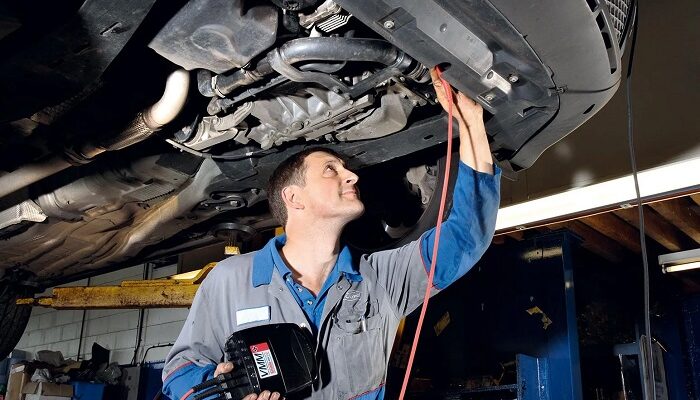
A freshly detailed engine bay and a clean vehicle history report can easily mask thousands of dollars in deferred maintenance. Used car dealerships and private sellers understand how to present a vehicle at its cosmetic best, but glossy paint and tire shine reveal nothing about worn suspension bushings, intermittent transmission slipping, or structural corrosion.
A pre-purchase inspection, commonly referred to as a PPI, is the single most reliable hedge against inheriting someone else’s expensive mechanical problems. However, the value of an inspection is directly tied to the competence and impartiality of the person performing it. Securing a skilled, objective technician requires more than picking the first garage that appears in a local search. It takes an intentional approach to vetting credentials, understanding shop capabilities, and managing the inspection process.
Weighing Your Inspection Options
Not every automotive repair facility is suited for evaluating a potential purchase. Buyers generally have three paths available, each carrying distinct advantages and practical constraints.
Specialized Independent Repair Shops
For most buyers, an established independent shop that specializes in the specific make or vehicle category represents the ideal choice. A dedicated European auto specialist, for example, will know the exact failure patterns of a particular BMW cooling system or Volkswagen dual-clutch transmission that a generalist might overlook. These shops rely on long-term client relationships rather than quick vehicle sales, giving them zero incentive to downplay mechanical flaws.
Franchise Dealership Service Departments
Scheduling an inspection with a franchise dealer of the vehicle’s make provides access to proprietary factory diagnostic software and technicians trained on brand-specific service bulletins. A dealership can quickly determine whether software updates are outstanding or if open factory recalls remain unaddressed. On the downside, dealership service departments are often busy, their inspection fees can run higher than independent shops, and their assessments sometimes lean toward recommending total component replacements using expensive original equipment parts when a simpler repair would suffice.
Mobile Inspection Services
Mobile inspectors travel directly to the seller’s location, which solves scheduling headaches and removes friction when dealing with hesitant sellers. While convenient, mobile inspections have a major limitation: the technician cannot raise the vehicle on a hydraulic lift. Crawling underneath a car on jack stands or ramps rarely provides the clear sightlines needed to spot subtle frame damage, leaking steering racks, or hairline cracks in drivetrain housings. A mobile inspection is better than nothing, but it remains a runner-up to an evaluation conducted inside a fully equipped shop.
Vetting Credentials and Shop Standards
Finding a trustworthy professional requires looking past star ratings and marketing claims. A dependable shop operates with structural transparency and measurable technician qualifications.
Look first for ASE (National Institute for Automotive Service Excellence) certifications, with a preference for shops employing technicians who have earned Master Technician status. Master technicians have demonstrated competency across eight core areas of automotive repair, from engine performance and electrical systems to heating and brakes.
Beyond credentials, inquire about the diagnostic tools the facility uses. A reliable shop should possess professional-grade bidirectional scan tools capable of communicating with all onboard modules, not merely a basic handheld code reader that pulls surface-level emissions codes.
When calling prospective shops, gauge their reception to your request. Inquire directly about their standard PPI workflow:
-
Do they provide a detailed, written digital report with high-resolution photographs?
-
Will the inspection include a comprehensive road test conducted at highway speeds?
-
Does the technician personally speak with you after the inspection to clarify findings and prioritize repairs?
A shop that treats a pre-purchase inquiry as routine and outlines an organized assessment plan is far more likely to deliver an honest evaluation than one offering a vague, thirty-minute once-over.
The Non-Negotiable Scope of a Thorough Inspection
A legitimate pre-purchase inspection should take between one and two hours. Any evaluation wrapped up in twenty minutes is purely cosmetic and fails to protect your investment. A comprehensive evaluation must cover several critical areas.
Mechanical Integrity and Fluid Health
The technician must look past fluid levels and evaluate fluid condition. Dark, burnt transmission fluid, milky residue beneath the oil cap indicating coolant contamination, or dark brake fluid with high moisture content all point to neglect. The cooling system should undergo a pressure test to expose hidden radiator cracks, water pump weep-hole leaks, or failing hose connections.
Undercarriage and Structural Components
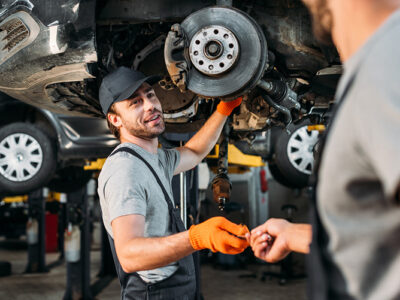
With the vehicle elevated on a lift, a mechanic can thoroughly examine the steering linkage, ball joints, control arm bushings, constant-velocity (CV) boots, and shock absorbers. This vantage point also allows them to inspect the floor pans, rocker panels, and subframes for structural rust or telltale clamp marks left by body-shop frame-straightening machines after an undisclosed collision.
Electronics and Diagnostic Readiness
A modern vehicle contains dozens of interconnected computers. A trustworthy technician will run a full system scan to identify pending diagnostic trouble codes that have not yet illuminated a dashboard warning light. Crucially, they will check the OBD-II readiness monitors. If the monitors show an “incomplete” status, it often means the seller recently cleared fault codes with an inexpensive scanner right before your arrival to temporarily extinguish the check engine light.
The Real-World Road Test
Static tests cannot replicate operating loads. The mechanic must drive the car to evaluate cold-start manners, gear engagement, clutch grab, brake pulsation, alignment drift, and abnormal vibrations under hard acceleration or highway cruising conditions.
Coordinating Logistics with the Seller
A pre-purchase inspection requires coordination, and handling the logistics correctly protects your interests. As the buyer, you should always select the mechanic and pay for the inspection directly. Allowing the seller to choose the shop or supply their own third-party report introduces an immediate conflict of interest.
Contact the seller and propose your chosen shop, offering two or three scheduling windows. Serious private sellers and reputable used car dealers routinely accommodate PPIs. If a seller flatly refuses to let the vehicle leave their lot or insists their in-house safety inspection is sufficient, consider that an immediate red flag. A seller confident in the condition of their vehicle will welcome an inspection that validates their asking price.
Translating the Inspection Report into Action
Once the inspection concludes, review the findings methodically. A clean report on an older vehicle does not exist; every used car has normal wear and tear. Your goal is distinguishing between standard maintenance items and catastrophic dealbreakers.
Worn brake pads, an aging battery, or dry-rotted tires are routine consumables. You can easily calculate the cost of these items and use the mechanic’s written repair estimates as objective leverage during price negotiations.
Conversely, active head gasket leaks, internal transmission slipping, bent subframes, extensive rust scaling on structural members, or heavy sludge buildup inside the engine are serious warning signs. When faced with deep mechanical defects that threaten basic reliability, the smartest decision is to thank the technician for saving you thousands of dollars, absorb the inspection fee as money well spent, and walk away from the deal.














Comments