
 By
By 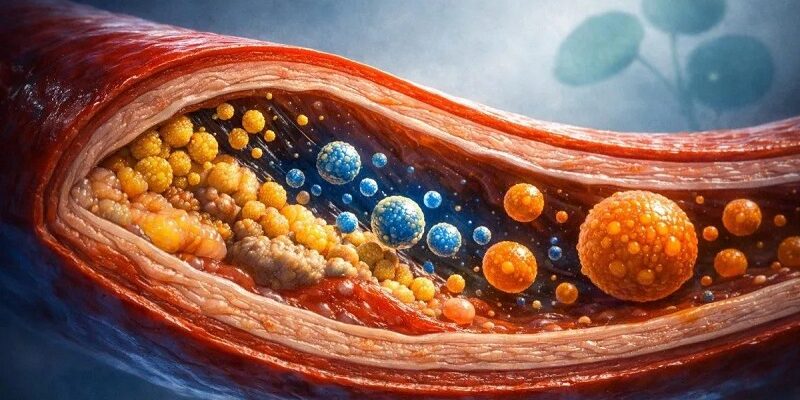
Opening an online patient portal to find a bold red flag next to your LDL reading has become an unnerving rite of passage for millions of adults. The knee-jerk reaction is almost universal: sudden anxiety, followed immediately by an impulsive vow to never touch an egg yolk again. Yet a standard lipid panel contains far more nuance than a simple pass-or-fail report card.
To make a measurable, lasting difference in your cardiovascular risk, you have to look past the panic. Lowering low-density lipoprotein requires understanding what your blood work is truly signaling and targeting the specific metabolic mechanisms that dictate how your body produces and clears circulating fat.
Making Sense of the Standard Lipid Profile
A basic lipid panel reports four core numbers: total cholesterol, high-density lipoprotein (HDL), triglycerides, and low-density lipoprotein (LDL). While doctors traditionally viewed total cholesterol as the primary warning bell, modern preventive cardiology places far greater weight on the individual components and their relationships to one another.
Cholesterol itself is not a toxin. It is a waxy, fat-like substance essential for constructing cell membranes, producing vitamin D, and synthesizing steroid hormones like estrogen and testosterone. Because cholesterol is a fat, it cannot dissolve in water-based blood. To travel through your circulatory system, it must be packaged inside protein-coated carriers called lipoproteins.
HDL acts primarily as a clean-up crew. These dense particles gather surplus cholesterol from peripheral tissues and vascular walls, shuttling it back to the liver for recycling or excretion through bile.
LDL, on the other hand, acts as a delivery system. It transports cholesterol and triglycerides outward to nourish cells. The trouble begins when circulating LDL particles outnumber the body’s need for them. Excess particles linger in the bloodstream, slip beneath the delicate inner lining of the arteries, oxidize, and spark an inflammatory reaction that gradually forms calcified arterial plaque.
The Critical Role of Triglycerides
Triglycerides represent the most common type of fat circulating in your body, storing unused energy from the food you eat. When you consume more calories than your body burns—particularly from refined sugars, alcohol, and processed starches—the liver converts that surplus into triglycerides.
A high LDL level is concerning on its own, but an elevated LDL paired with high triglycerides and low HDL signals a high degree of metabolic dysfunction. This specific pattern strongly correlates with insulin resistance and produces smaller, denser LDL particles that penetrate arterial walls far more aggressively than large, buoyant ones.
The Dietary Cholesterol Myth
For decades, public health messaging told consumers to avoid high-cholesterol foods like whole eggs, shellfish, and organ meats. That advice was intuitive, but biologically flawed.
Your liver manufactures roughly 75 to 80 percent of the cholesterol circulating in your bloodstream every day. It tightly regulates this internal production through a negative feedback loop: when you consume more cholesterol from whole food sources, your liver typically downregulates its own synthesis. When you eat less, your liver ramps up production to maintain baseline levels.
For the overwhelming majority of people, dietary cholesterol barely moves the needle on a standard lipid panel. The true dietary culprits behind elevated LDL are saturated fats and ultra-processed carbohydrates, which disrupt how the liver clears cholesterol from the blood.
Dietary Levers That Deliver Measurable Results
If avoiding egg yolks will not fix your numbers, what will? Meaningful dietary intervention comes down to two primary strategies: restoring the liver’s ability to clear LDL, and mechanically binding cholesterol in the digestive tract before it can enter circulation.
1. Slash Saturated Fat to Reactivate LDL Receptors
The liver pulls LDL particles out of circulation using specialized docking stations called LDL receptors. When you consume excessive amounts of saturated fat—found heavily in fatty cuts of red meat, butter, heavy cream, palm oil, and full-fat dairy—it downregulates these surface receptors.
With fewer working receptors available, LDL particles remain stranded in your bloodstream for prolonged periods, raising your blood concentration.
Replacing saturated fats with monounsaturated and polyunsaturated fats reverses this process. Swapping butter for extra virgin olive oil, snacking on walnuts instead of cheese cubes, and replacing commercial beef with wild-caught salmon prompts the liver to build more LDL receptors, accelerating particle clearance.
2. Maximize Viscous Soluble Fiber
If saturated fat is the accelerator of high LDL, soluble fiber is the brake.
Your liver uses stored cholesterol to manufacture bile acids, which are secreted into the digestive tract to break down dietary fats. In a typical low-fiber diet, the body reabsorbs roughly 95 percent of these bile acids in the small intestine, recycling them back to the liver.
Viscous soluble fiber forms a thick, gel-like matrix inside your intestines. This gel physically traps bile acids and carries them out through the digestive tract. Deprived of recycled bile, the liver is forced to draw LDL cholesterol directly out of your bloodstream to manufacture fresh bile acids.
Consistently consuming 10 to 15 grams of soluble fiber daily can reduce LDL levels significantly. Reliable whole-food sources include:
-
Steel-cut or rolled oats
-
Psyllium husk
-
Black beans, lentils, and chickpeas
-
Brussels sprouts and carrots
-
Apples, citrus fruits, and berries
3. Add Plant Sterols and Stanols
Plant sterols and stanols are naturally occurring compounds found in small amounts in grains, vegetables, nuts, and seeds. Because their molecular structure closely resembles human cholesterol, they compete directly for absorption sites in the intestines. Incorporating dedicated sources of plant sterols can blunt intestinal cholesterol uptake and provide an additional modest drop in circulating LDL.
Lifestyle Habits That Shift the Equation
Dietary changes carry the bulk of the weight for driving down LDL, but daily physical habits dictate vascular resilience and overall lipid balance.
Aerobic Conditioning and Particle Size
While cardiovascular exercise has a modest direct impact on raw LDL numbers, it profoundly changes how those particles behave. Sustained moderate-intensity aerobic training—such as brisk walking, cycling, or swimming for 150 minutes per week—stimulates lipoprotein lipase activity.
This enzymatic shift increases HDL levels, drops triglycerides, and converts small, dense, atherogenic LDL particles into larger, buoyant versions that are far less likely to embed themselves into arterial walls.
Reversing Visceral Fat Accumulation
Excess abdominal fat, particularly visceral fat packed around internal organs, constantly releases free fatty acids into the portal vein. This flood of fatty acids overloads the liver, accelerating the assembly and secretion of very-low-density lipoproteins (VLDL), which eventually degrade into LDL particles. Shedding excess visceral weight through caloric moderation and strength training directly relieves this hepatic burden.
Recognizing the Genetic Floor
Lifestyle interventions can yield dramatic improvements, often reducing LDL levels by 15 to 30 percent in responsive individuals. However, lifestyle changes have their biological limits.
Conditions such as familial hypercholesterolemia or common variations in the PCSK9 gene alter LDL receptor functionality at a genetic level. An individual with a strong genetic predisposition can follow an impeccable diet, exercise daily, and maintain low body fat, yet still register LDL readings well above 160 or 190 mg/dL.
In these circumstances, viewing medication as a personal failure is counterproductive. Pharmacological therapies like statins, ezetimibe, or PCSK9 inhibitors do not replace lifestyle habits; they address an inherited structural bottleneck by halting internal cholesterol synthesis or dramatically boosting receptor availability.
Testing and Tracking Your Progress
Lipid metabolism does not change overnight, but it responds faster than many people assume. Cellular turnover and hepatic receptor adjustments take roughly six to twelve weeks to stabilize following a targeted lifestyle shift.
Schedule a follow-up lipid panel approximately two to three months after implementing changes to saturated fat and fiber intake. If the numbers drop into your target range, you have found a sustainable baseline. If they remain persistently elevated despite strict adherence, you and your physician will have clean, unambiguous data to determine whether medical therapy is the logical next step.















Comments