
 By
By 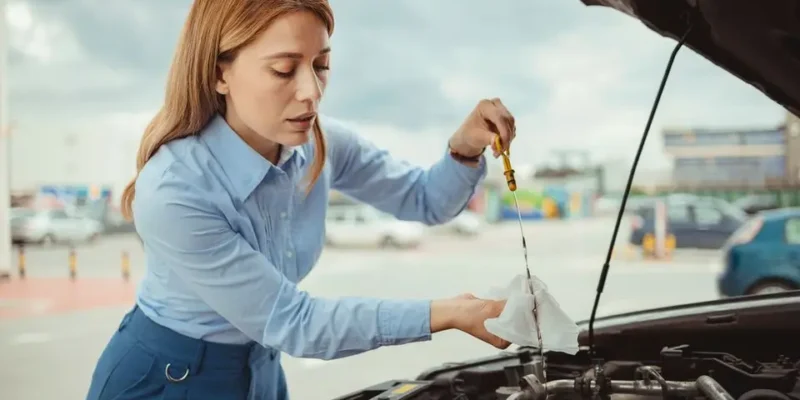
A long road trip offers a classic sense of freedom, but it also places sustained mechanical stress on your vehicle. Driving at highway speeds for hours at a time, navigating varied terrains, and carrying heavy luggage can quickly expose minor mechanical issues that go unnoticed during daily commutes. Proper preparation minimizes the risk of a breakdown, protects your safety, and ensures your vehicle operates efficiently throughout the journey.
To ensure your vehicle is up to the task, you need to perform a comprehensive inspection of its fluid systems, tires, brakes, electrical components, and safety equipment well before your departure date.
Inspecting and Replacing Vital Fluids
Fluids are the lifeblood of your automobile. They reduce friction, dissipate heat, and facilitate critical functions like braking and steering. Over time, these fluids degrade, lose their chemical properties, or leak from their respective closed systems.
Engine Oil
Engine oil lubricates the internal moving parts of your engine. Before a long trip, pull out the oil dipstick, wipe it clean with a rag, reinsert it fully, and pull it out again to check the level. The oil should sit between the minimum and maximum indicator marks. Additionally, check the color and texture. Fresh oil is amber and translucent. Dark brown or black oil filled with grit indicates it is time for an oil change. If your vehicle is within 1000 miles of its next scheduled oil change, complete the service before you leave.
Coolant System
The cooling system prevents your engine from overheating by circulating a mixture of water and antifreeze. Inspect the coolant reservoir when the engine is completely cold. Never open a hot radiator cap, as pressurized steam can cause severe burns. Ensure the level meets the full line. Check the hoses connecting the radiator to the engine for signs of swelling, cracking, or softening. A burst coolant hose on the highway will halt your journey instantly and can cause catastrophic engine failure.
Brake Fluid
Brake fluid operates under high pressure to force your brake calipers to squeeze against the rotors. Locate the translucent brake fluid reservoir near the firewall on the driver side of the engine bay. The fluid level should be near the maximum line. If the fluid appears dark brown or black instead of clear or light yellow, moisture has contaminated the system. Contaminated brake fluid can boil under heavy braking conditions, leading to a spongy brake pedal or a temporary loss of stopping power.
Transmission and Steering Fluids
If your vehicle has a dipstick for the transmission fluid, check it while the engine is idling and warm. The fluid should be bright pink or red. A dark red or burnt-smelling transmission fluid requires professional attention. For vehicles equipped with hydraulic power steering, check the power steering fluid reservoir to ensure proper assist while turning. Finally, top off your windshield washer fluid with a formulation designed to dissolve bugs and road grime.
Evaluating Tires and Suspension
Your tires are the only points of contact between your vehicle and the road surface. Maintaining them correctly ensures adequate grip, optimal fuel economy, and stable handling.
Tire Pressure
Temperature drops and extended driving alter the air pressure inside your tires. Check your tire pressure in the morning before driving, as driving heats up the air and gives a false high reading. Look at the sticker on the driver side door jamb to find the recommended Pounds per Square Inch for your specific vehicle. Do not use the maximum pressure printed on the tire sidewall itself. Remember to check the pressure of your spare tire as well. An underinflated tire builds up excessive heat, which can lead to a sudden blowout at highway speeds.
Tread Depth and Wear Patterns
Adequate tread depth is necessary to channel water away from the tire and prevent hydroplaning on wet roads. Use the penny test to evaluate tread depth. Insert a penny upside down into the tread grooves. If you can see the top of Abraham Lincoln’s head, your tread depth is less than 2/32 of an inch, and the tires must be replaced. Inspect the tread across the entire width of the tire. Uneven wear on the inside or outside edges indicates an alignment problem or worn suspension components that a mechanic must address before you log hundreds of highway miles.
Testing the Electrical System and Battery
Modern vehicles rely heavily on stable electrical voltage. The increased demand of charging mobile devices, running air conditioning systems, and using navigation tools places an extra burden on your battery and alternator.
Battery Terminals and Charge
Car batteries typically last between three and five years. Inspect the battery terminals for a white, powdery substance, which is lead sulfate corrosion. This buildup restricts the flow of electricity. Clean it off using a wire brush and a mixture of baking soda and water. Ensure the terminal clamps are tightly secured and cannot be wove by hand. If your battery is more than three years old, visit an auto parts store or a repair shop to have a load test performed. This test measures the battery’s capacity to hold a charge under stress.
Lighting and Wiper Blades
Visually confirm that every light on your vehicle functions correctly. Turn on the vehicle and check the headlights, high beams, turn signals, brake lights, reverse lights, and hazard lights. Defective bulbs increase your chances of getting hit from behind or receiving a traffic ticket. Run your windshield wipers and spray washer fluid to evaluate the wiper blades. If they leave streaks, skip across the glass, or have torn rubber edges, install a new set of blades to ensure clear visibility during sudden downpours.
Assessing Brake Performance
A fully loaded vehicle requires more distance to come to a complete stop. Therefore, your braking system must operate at peak efficiency.
Listen carefully to your brakes during your daily driving routine prior to the trip. Squealing or grinding noises indicate that the brake pads have worn thin and the wear indicators are contacting the rotor. If you feel a shuddering or pulsating sensation through the brake pedal when slowing down from highway speeds, your brake rotors may be warped. A professional inspection can determine if your brake pads have sufficient friction material remaining and if the rotors need resurfacing or replacement.
Packing Emergency Supplies and Essential Gear
Even with meticulous preparation, unexpected incidents can happen. Carrying the right emergency gear ensures you can handle minor issues yourself or remain safe while waiting for roadside assistance.
Assemble a dedicated emergency kit to store in your trunk. This kit should include the following items:
-
Jumper cables or a portable battery jump starter pack
-
A tire pressure gauge and a reliable portable twelve-volt air compressor
-
A heavy-duty jack, a lug wrench, and the wheel lock key if your vehicle uses them
-
A basic tool set containing adjustable wrenches, pliers, and screwdrivers
-
High-visibility reflective triangles or flares to alert oncoming traffic
-
A first-aid kit stocked with bandages, antiseptic wipes, and gauze
-
A working flashlight with extra batteries or a hand-crank model
-
Non-perishable snacks and several bottles of drinking water
Verify that your roadside assistance membership is active and save the customer service number in your phone. Keep your vehicle registration and insurance documents in the glove box where they can be quickly accessed if needed.
Frequently Asked Questions
Should I change my vehicle maintenance schedule based on a road trip?
Yes. If your vehicle is nearing a scheduled maintenance interval for items like spark plugs, timing belts, or differential fluid, it is best to perform that service ahead of time. Sustained driving exaggerates existing wear, meaning a component that might last another month in the city could fail during a multi-day highway haul.
How many days before my trip should I get my vehicle inspected?
Aim to inspect your vehicle or take it to a mechanic roughly one to two weeks before your departure date. This buffer gives you ample time to order specialized parts or schedule secondary repairs if the initial inspection uncovers a major mechanical issue.
Is it safe to use a space-saver spare tire on a long road trip?
Space-saver spare tires, often called donuts, are designed only for short-distance emergency use to get you to the nearest repair shop. They are typically restricted to speeds under fifty miles per hour and distances under fifty miles. If you must use one, find a tire repair shop immediately rather than continuing your trip.
How much weight can my vehicle safely carry during a road trip?
Every vehicle has a Gross Vehicle Weight Rating, which specifies the maximum operating mass authorized by the manufacturer. This number is located on the driver side door jamb sticker. The rating includes the weight of the vehicle itself, all passengers, fuel, and cargo. Exceeding this weight limits your braking capability and strains the suspension and tires.
What should I do if my engine begins to overheat while driving on the highway?
Immediately turn off your air conditioning system and turn on your vehicle’s heater to its maximum temperature and fan speed. This pulls excess heat away from the engine compartment into the cabin. Pull over to a safe location on the shoulder of the road as soon as possible, turn off the engine, and allow it to cool completely before inspecting the coolant level.
Why does my vehicle pull to one side when driving on a straight road?
This symptom usually points to improper wheel alignment or uneven tire pressure. If your tires are inflated correctly but the vehicle still drifts to one side, the wheel alignment is off. Driving long distances with bad alignment causes rapid, uneven tire wear and places extra strain on steering linkages.
Can running out of windshield washer fluid cause safety issues?
Yes. Highway driving often covers your windshield in bugs, dust, and oily road film kicked up by larger trucks. Attempting to clear a dry windshield with your wiper blades without fluid will smear the debris, severely reducing visibility, especially when driving directly into the sun or at night against oncoming headlights.













Comments